Custom size outdoor stripe cushions

Author: Lukasz

  • How Thick Should Garden Cushions Be? (10 cm vs 15 cm Guide)

    How Thick Should Garden Cushions Be? (10 cm vs 15 cm Guide)

    Choosing the right garden cushion thickness can make a big difference to your comfort and overall seating experience. Whether you’re updating a rattan set or creating a pallet sofa, the thickness of your cushions matters more than you might think.

    In this guide, we compare 10 cm and 15 cm cushions to help you choose the best option for your space.

    Why Cushion Thickness Matters

    Garden cushions are not just about looks. The thickness affects how comfortable they feel, how well they support your body and how long they keep their shape.

    Thicker cushions usually offer better comfort. However, slimmer cushions can look more structured and modern. Therefore, the right choice depends on how you plan to use your furniture.

    10 cm Cushions – When Are They a Good Choice?

    10 cm cushions are a popular option for many garden furniture sets, especially rattan sofas and armchairs.

    They work best if:

    • you use your seating for shorter periods
    • you prefer a neat and tailored look
    • your furniture already has a supportive base

    In addition, 10 cm cushions are lighter and easier to move or store. As a result, they are a practical choice for everyday garden use.

    15 cm Cushions – When Should You Choose Them?

    15 cm cushions provide a deeper, more luxurious seating experience. They are ideal if comfort is your top priority.

    They are perfect for:

    • pallet furniture
    • wooden benches or gazebo seating
    • long, relaxed seating sessions

    Thanks to their extra thickness, they offer better support and help reduce the feeling of hard surfaces underneath. Therefore, they are often chosen for lounge-style garden setups.

    10 cm vs 15 cm – Quick Comparison

    10 cm cushions:

    • more structured look
    • lighter and easier to handle
    • ideal for rattan furniture
    • good for casual, everyday use

    15 cm cushions:

    • softer and more comfortable
    • better for long sitting sessions
    • perfect for pallet and wooden seating
    • more “lounge” style feel

    Which Thickness Should You Choose?

    The best choice depends on your furniture and how you use it.

    For rattan sets, most people choose 10 cm cushions because they fit the structure well and keep a clean look. On the other hand, for pallet sofas or gazebo seating, 15 cm cushions are usually the better option for maximum comfort.

    Our Recommendation

    If you want a balance between style and comfort, 10 cm cushions are a safe and versatile choice.

    However, if comfort is your priority and you enjoy long, relaxed seating, 15 cm cushions will make a noticeable difference.

    Final Thoughts

    Choosing the right garden cushion thickness is key to creating a comfortable and inviting outdoor space. Both options have their benefits, so it’s all about matching the cushions to your furniture and lifestyle.
  • How to Build a Pallet Sofa (Step-by-Step Guide)

    How to Build a Pallet Sofa (Step-by-Step Guide)

    Creating your own pallet sofa is one of the easiest and most affordable ways to transform your garden, patio or conservatory into a cosy and stylish space.

    With just a few basic materials and the right cushions, you can build a comfortable seating area that looks like it came straight from a design magazine.

    What You’ll Need

    Before you start, prepare:

    • Wooden pallets (Euro pallets 120×80 cm work best)
    • Sandpaper or electric sander
    • Wood screws (optional, for stability)
    • Outdoor wood paint or varnish (optional)
    • Seat and back cushions

    💡 Tip: Choose pallets in good condition with no cracks or mould.

    Step 1: Choose the Size of Your Sofa

    Think about how many people you want to seat:

    • 2-seater → 2 pallets (120×80 cm)
    • 3-seater → 3 pallets
    • Corner sofa → 4–6 pallets

    You can also stack pallets to increase height.

    Step 2: Prepare the Pallets

    To make your sofa safe and comfortable:

    • Sand all surfaces thoroughly
    • Remove splinters and rough edges
    • Clean the pallets (important for indoor use)

    Optional:

    • Paint or stain the wood to match your garden style

    Step 3: Assemble the Base

    • Place pallets side by side
    • Stack a second layer if you want a higher seat
    • Fix them together with screws (optional but recommended)

    💡 For a relaxed, modular look, you can leave them unfixed.

    Step 4: Add the Backrest

    You have two options:

    • Attach a pallet vertically to create a fixed back
    • Or simply place back cushions against a wall

    👉 The second option is more flexible and looks softer.

    Step 5: Add Cushions (This Makes ALL the Difference)

    This is where your pallet sofa becomes truly comfortable.

    For the best result, choose:

    • Thick seat cushions (10–15 cm) for proper support
    • Back cushions with a wedge shape for comfort
    • Removable covers for easy cleaning

    💡 High-quality cushions prevent you from feeling the hard wood underneath.

    Step 6: Style Your Sofa

    Finish your space with:

    • Throws and decorative pillows
    • Outdoor rugs
    • Lanterns or fairy lights
    • Small coffee table

    This turns a simple pallet sofa into a cosy relaxation zone.

    Where Can You Use a Pallet Sofa?

    Pallet sofas are perfect for:

    • Gardens and patios
    • Balconies
    • Conservatories
    • Covered outdoor areas

    👉 For long-lasting comfort, it’s best to place cushions in sheltered or roofed spaces.

    Final Tip

    A pallet sofa is only as comfortable as the cushions you choose.

    If you want a soft, durable and stylish finish, explore our collection of pallet cushions available in many sizes and fabrics.

  • What Pallet Cushions Should You Choose?

    What Pallet Cushions Should You Choose?

    Using pallets in interior and garden design has become increasingly popular in recent years, mainly because it’s an affordable and eco-friendly solution. By giving pallets a second life, you can create a modern and versatile space that can be styled in many different ways – through colours, textures and accessories.

    In this guide, we’ll help you choose the right cushions so that your purchase is both enjoyable and cost-effective. As a manufacturer driven by a passion for design, we’ve explored the topic in depth and answered key questions such as:

    • How can you make your cushions last as long as possible?
    • How can you protect them from weather conditions like rain and sun exposure?
    • Which materials are easiest to clean and maintain?

    🧵 Fabric

    The first thing to consider is the fabric your cushions are made from. It should be resistant to stains, abrasion and UV rays – especially if your furniture will be used outdoors.

    In our range, you’ll find several types of fabrics designed for different needs. Below is a quick overview to help you understand their properties:

    Cotton

    A natural and breathable fabric, but it does not have a waterproof layer.

    Polyester

    A highly practical choice – stain-resistant, water-resistant and easy to clean. It is also durable and resistant to wear.

    Velvet

    Extremely soft and pleasant to the touch, with good stain resistance. However, it offers limited water resistance.


    It’s also important to consider how weather conditions may affect your cushions depending on their location.

    Here’s what we recommend:

    UV-Resistant Fabric

    A great choice for sunny, uncovered areas. This fabric also features a waterproof coating.

    Waterproof Fabric

    Designed to handle changing weather conditions, making your cushions more durable outdoors.

    🧩 Filling

    Another key aspect is the type of filling, as it directly affects both comfort and durability. The right firmness and thickness of seat and back cushions play a big role in overall comfort.

    We understand that preferences vary, which is why we offer different options:

    Foam

    Made from high-density polyurethane foam. It is durable, stable and maintains its shape well over time. Ideal for seating that requires firm support.
    Best suited for those who prefer a more structured and supportive feel.

    Foam Granulate

    Also known as foam flakes, this filling consists of small pieces of shredded polyurethane foam. It is lightweight and flexible, making the cushion softer and more elastic compared to solid foam.
    It adapts to the shape of your body, making it a great choice if you prefer softer seating.


    It’s also worth considering the thickness of the filling. We offer both foam and granulate cushions in a variety of sizes to suit different needs.

    📏 Size

    Pallet cushions should fit your furniture perfectly. The standard size of a Euro pallet is 120 × 80 cm, but it’s always best to measure your pallets carefully to avoid overhang or gaps.

    On our website, you’ll find ready-made cushion sets, but we also offer custom-made options tailored to your exact dimensions, colour preferences and design.

    🎨 Colour & Design

    Before purchasing, it’s worth exploring the full range of colours and patterns available. There’s always a perfect shade to match your space.

    We also recommend checking the cleaning requirements of each fabric. Our cushions come with removable covers, making them easy to wash. On each product page, you’ll find clear instructions on washing temperature and suitable cleaning methods, so you can enjoy your cushions for years to come.

    🌿 Final thoughts

    We hope this guide has helped you better understand how to choose the right pallet cushions.

    Enjoy comfort, style and relaxing moments with Patio Cushions ✨

  • Waterproof vs Water-Resistant vs Water-Repellent Cushions

    Waterproof vs Water-Resistant vs Water-Repellent Cushions

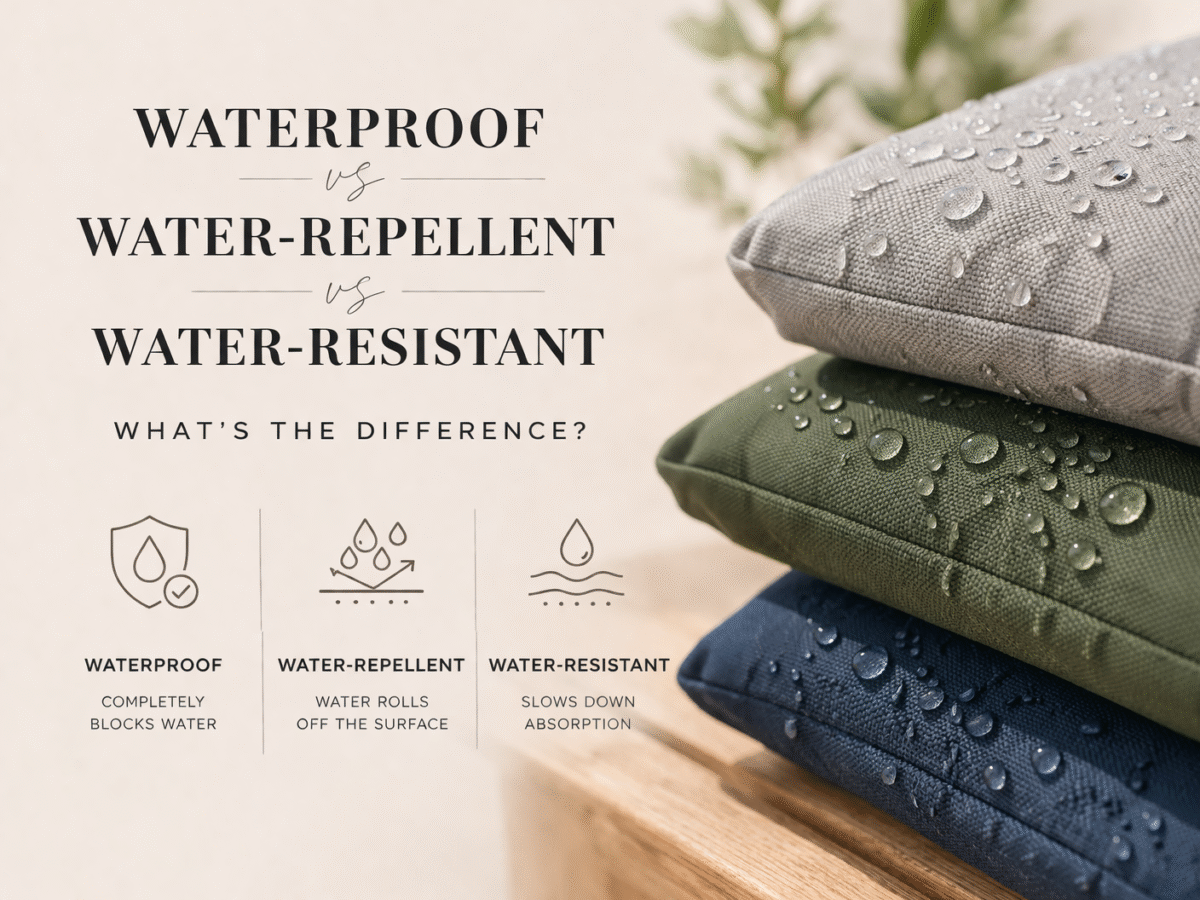
    When choosing garden cushions, you’ll often come across terms like waterproof, water-resistant and water-repellent. While they may sound similar, they describe very different levels of protection.

    When comparing waterproof vs water resistant vs water repellent garden cushions, it’s important to understand how each option performs in outdoor conditions.

    Understanding these differences will help you choose cushions that not only look beautiful, but also perform well in your outdoor space.

    💧 What Are Waterproof Cushions?

    Waterproof cushions are designed to completely block water from penetrating the fabric.

    This means:

    • water cannot pass through the material
    • cushions stay dry even during heavy rain
    • suitable for full outdoor exposure

    However, there are a few trade-offs:

    • less breathable fabric
    • slightly stiffer feel
    • can trap moisture inside if not properly aired

    👉 Best for:

    • fully exposed outdoor furniture
    • rainy climates
    • heavy-duty or commercial use

    🌧️ What Are Water-Repellent Cushions?

    Water-repellent cushions have a special surface coating that makes water form droplets and roll off the fabric.

    This means:

    • water doesn’t soak in immediately
    • cushions stay dry longer
    • easy to wipe clean

    Over time, this coating can wear off and may need refreshing.

    👉 Best for:

    • open garden spaces
    • occasional rain exposure
    • everyday family use

    🌤️ What Are Water-Resistant Cushions?

    Water-resistant cushions are designed to slow down water absorption, rather than fully block it.

    This means:

    • they can handle light moisture (like dew or a quick drizzle)
    • water won’t soak in immediately
    • they remain breathable and comfortable

    👉 Best for:

    • covered patios
    • balconies and terraces
    • sheltered garden furniture

    🔍 Key Differences at a Glance

    • Waterproof → completely blocks water
    • Water-repellent → pushes water away from the surface
    • Water-resistant → slows down water absorption

    None of these options are identical — each serves a different purpose depending on how your outdoor space is used.

    🤔 Are Waterproof Cushions Always Better?

    Not necessarily.

    While waterproof cushions offer maximum protection, they are not always the most comfortable choice for everyday use.

    In many cases:

    • water-repellent and water-resistant fabrics feel softer and more natural
    • they provide a more cosy, indoor-like experience outdoors
    • they offer a better balance between comfort and practicality

    👉 For most home gardens, comfort + durability is more important than full waterproofing.

    Outdoor bench cushions in navy, green and grey for garden seating

    🪑 Which One Should You Choose?

    The right choice depends on your lifestyle and how you use your outdoor space.

    Choose waterproof cushions if:

    • your furniture is fully exposed
    • you need maximum protection
    • functionality matters more than softness

    Choose water-repellent cushions if:

    • your cushions are occasionally exposed to rain
    • you want easy maintenance
    • you need a balance of protection and comfort

    Choose water-resistant cushions if:

    • your furniture is under cover
    • you prioritise comfort and aesthetics
    • you want a soft, premium feel

    ✨ Final Thoughts

    Choosing between waterproof, water-repellent and water-resistant cushions doesn’t have to be complicated.

    Each option offers different benefits — the key is finding the right balance between protection, comfort and style.

  • How to clean and care for garden cushions (easy tips)

    How to clean and care for garden cushions (easy tips)

    Garden cushions can quickly lose their fresh look due to sun, rain and everyday use. Here are simple tips to keep them clean, comfortable and looking great for years.

    1. Regular Cleaning of Garden Cushions

    Garden cushions are exposed to dust, pollen and everyday dirt, which can affect both their appearance and lifespan. Here are a few key tips:

    • Vacuuming and shaking – helps remove dust and loose debris
    • Washing cushion covers – if your cushions have removable covers, wash them regularly according to the manufacturer’s instructions
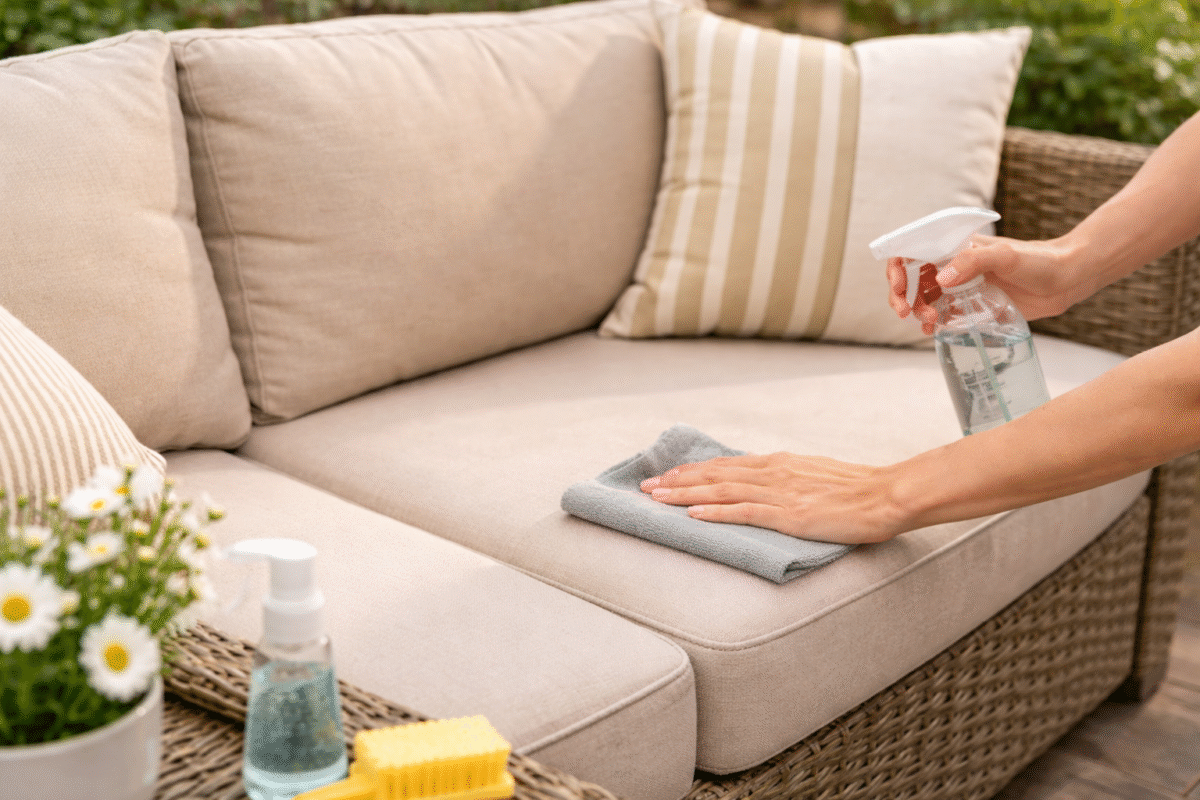
    • Cleaning upholstery – for non-removable covers, use a damp cloth and a mild detergent, avoiding excessive soaking
    • Stain removal – treat fresh stains as soon as possible using gentle cleaning products
    pallet cushions _ cleaning

    2. Fabric Protection – Guarding Against Water and Dirt

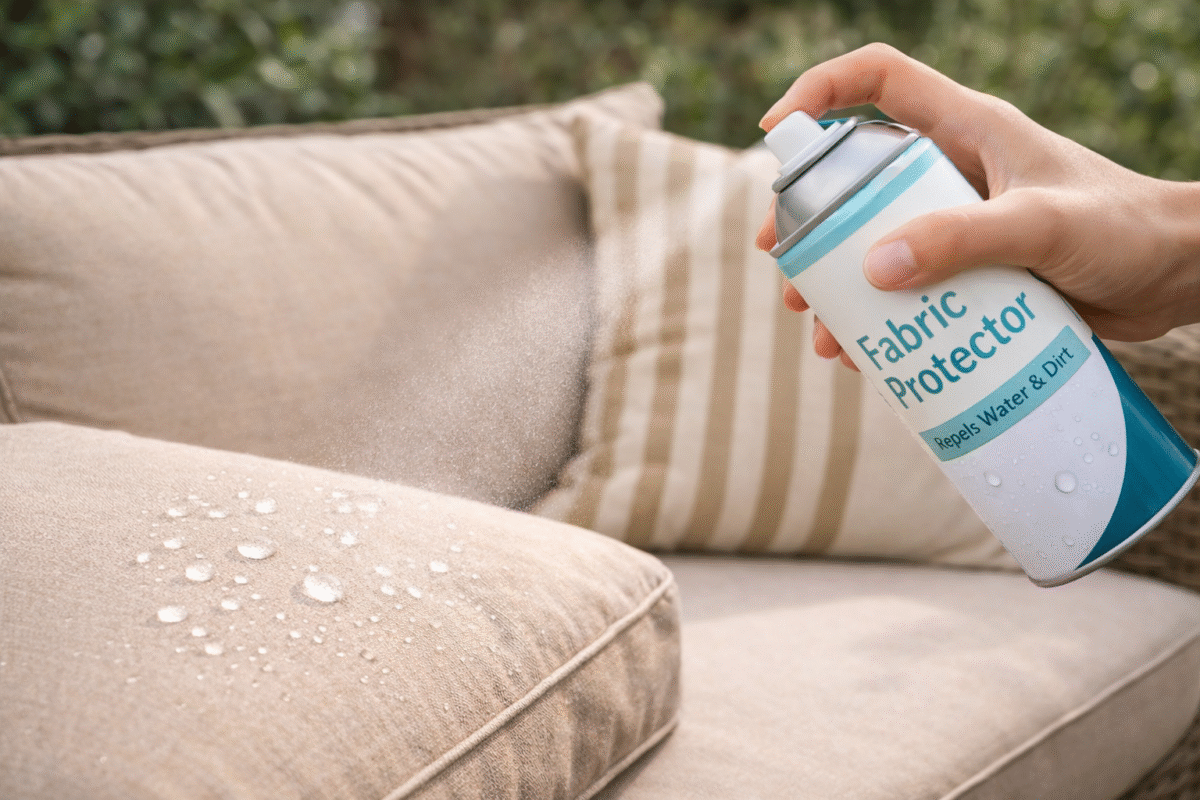
    To make your cushions more resistant to moisture, it’s worth using a fabric protector. These products help repel water and dirt, making future cleaning much easier. For best results, apply before the season starts and after each wash.

    3. Protection from Sun and Rain

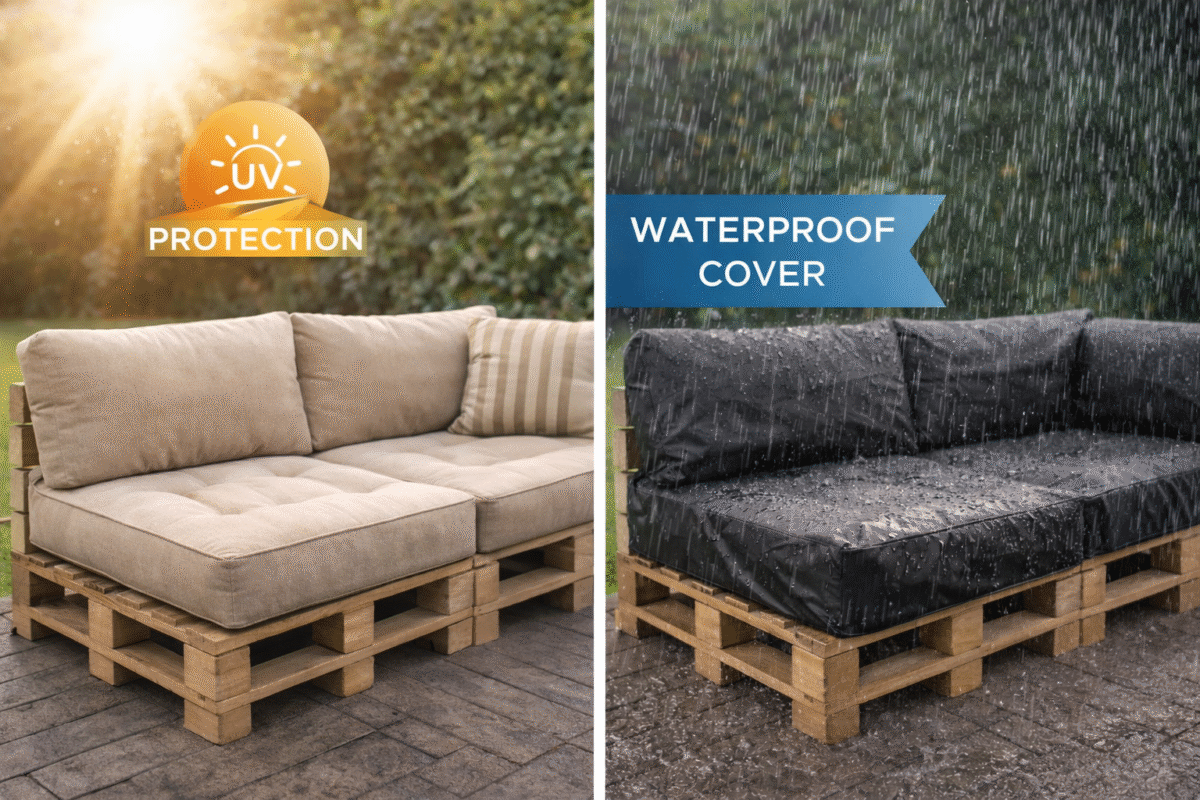
    Garden cushions are often exposed to strong UV rays, which can cause colours to fade. To prevent this, choose cushions made from UV-resistant fabrics or store them out of direct sunlight when not in use. During rainy days, if you cannot store them indoors, waterproof covers are a practical solution.

    At Patio Cushions, you’ll find pallet cushions made from high-quality, UV-resistant fabrics designed to perform well in changing weather conditions. This allows you to enjoy both comfort and style without worrying about rapid wear and tear.

    4. How to Store Garden Cushions After the Season

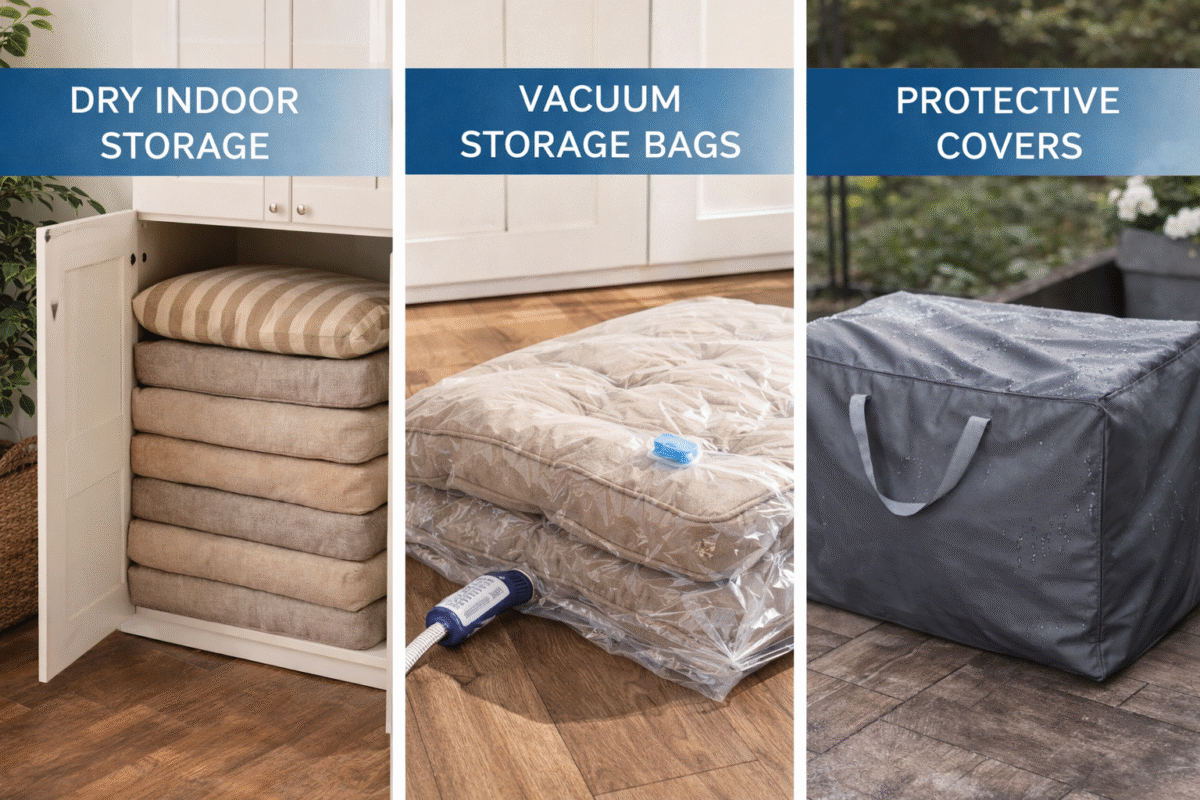
    When summer comes to an end, it’s important to store your cushions properly to maintain their quality. Here are the best methods:

    • Protective covers – an extra layer of protection against dirt and moisture
    • Store in a dry place – avoid damp basements where mould can develop
    • Vacuum storage bags – ideal for saving space and protecting cushions from dust

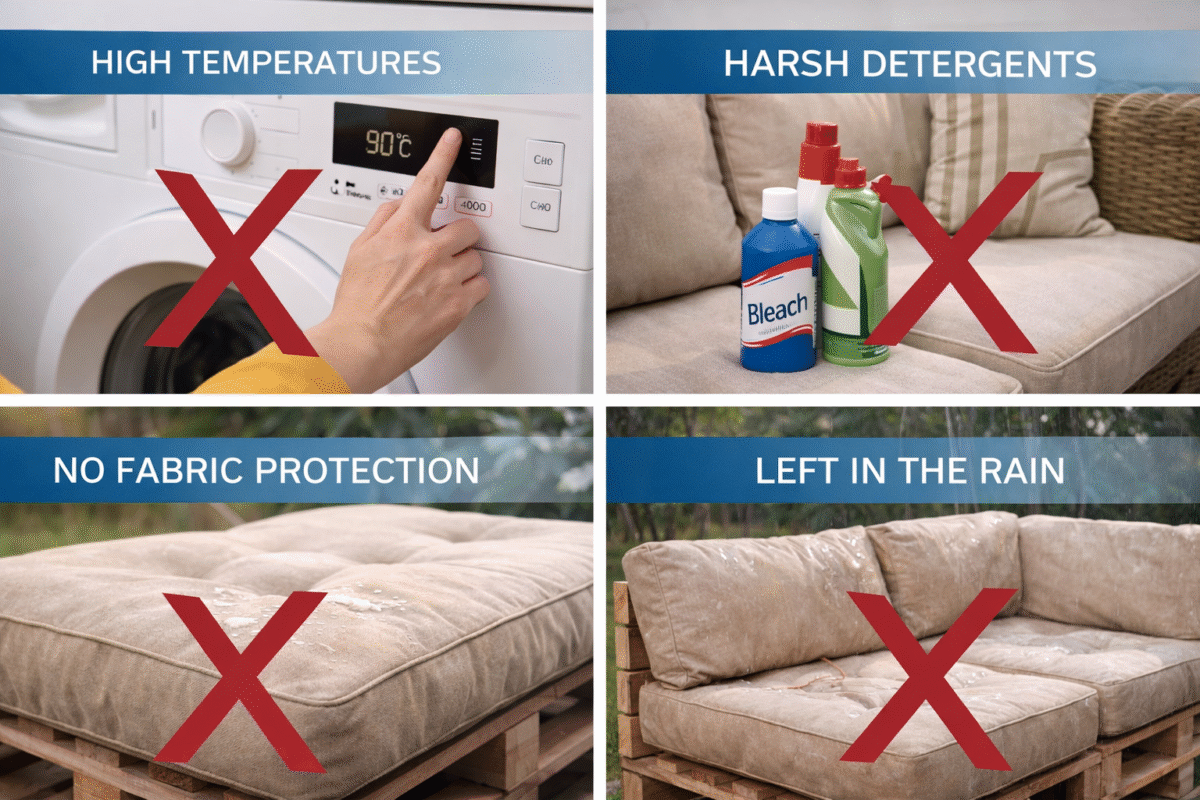
    5. What to Avoid – Common Cushion Care Mistakes

    • Leaving cushions out in the rain – may lead to mould and unpleasant odours
    • Washing at excessively high temperatures – may damage the fabric
    • Using harsh detergents – can cause colours to fade
    • Skipping fabric protection – untreated fabrics absorb water and dirt more easily

    Proper care of your garden cushions ensures they remain comfortable, clean and durable for many seasons. Regular cleaning, fabric protection and correct storage are simple steps that make a big difference. Take care of your cushions, and your garden or patio will always look inviting, stylish and well-maintained.